Clinical Exercise & Pilates
A combination of both Pilates exercise and Treatment, tailored only to you
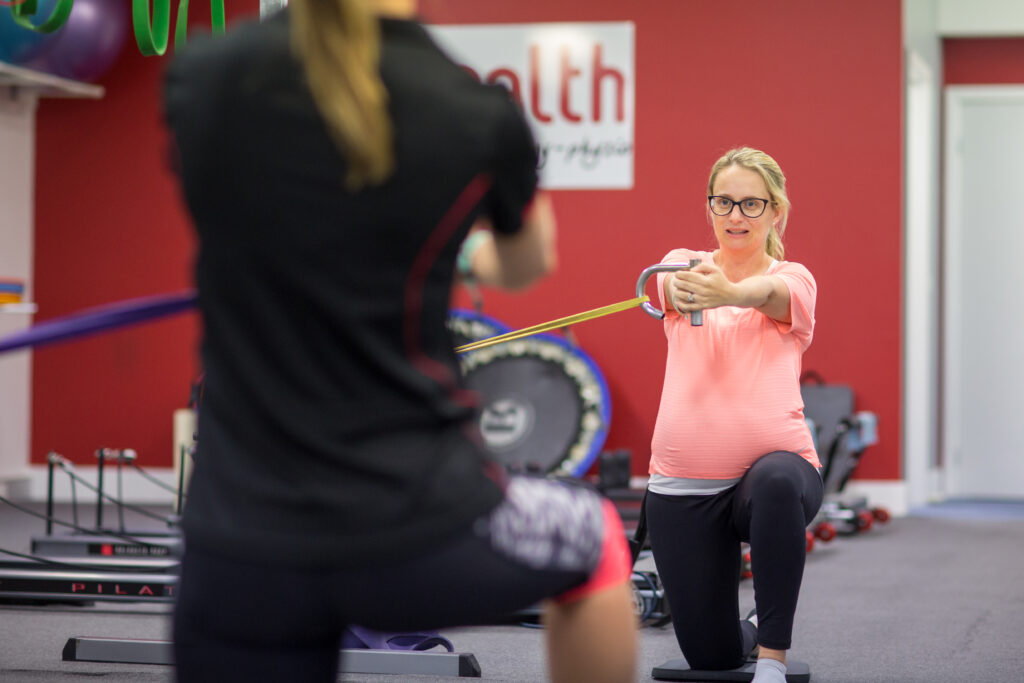
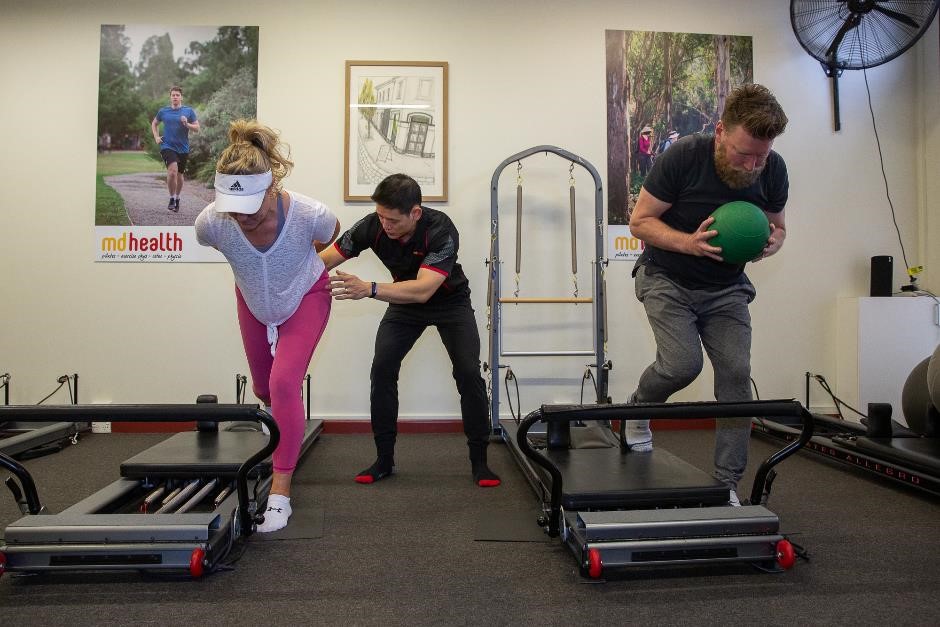

Clinical Exercise & Pilates tailored for you
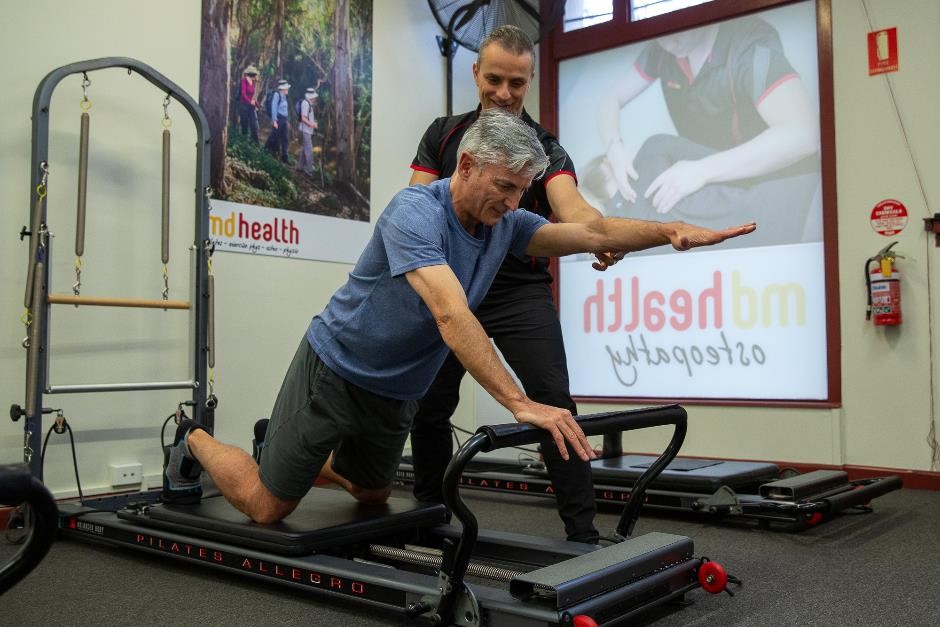
Your Clinical Exercise and Pilates program usually begins by strengthening the major stabiliing muscles of the body. It’s not just about the “core” stablisers, the abdominal muscles, this is only one part.
The role of your stabilising muscle groups is to provide control of the small movements of the joints (the normal glide and slide of the joint). This is so that the prime movers, the big power muscles around the joints can do their job properly.
Poor stability does not “cause” lower back pain, but puts the pain sensitive, support structures of the back at risk of injury due to the increased mechanical load on the area, ultimately causing damage.
You need a combination of the stabilising muscles to work (to maintain control) and the power muscles (to have strength of movement) for good function.
Individualised
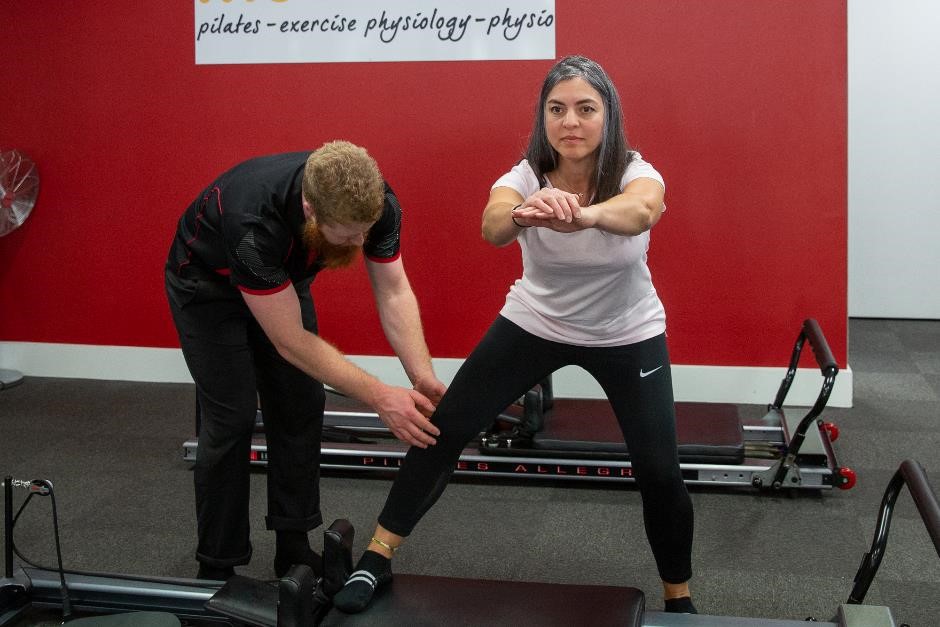
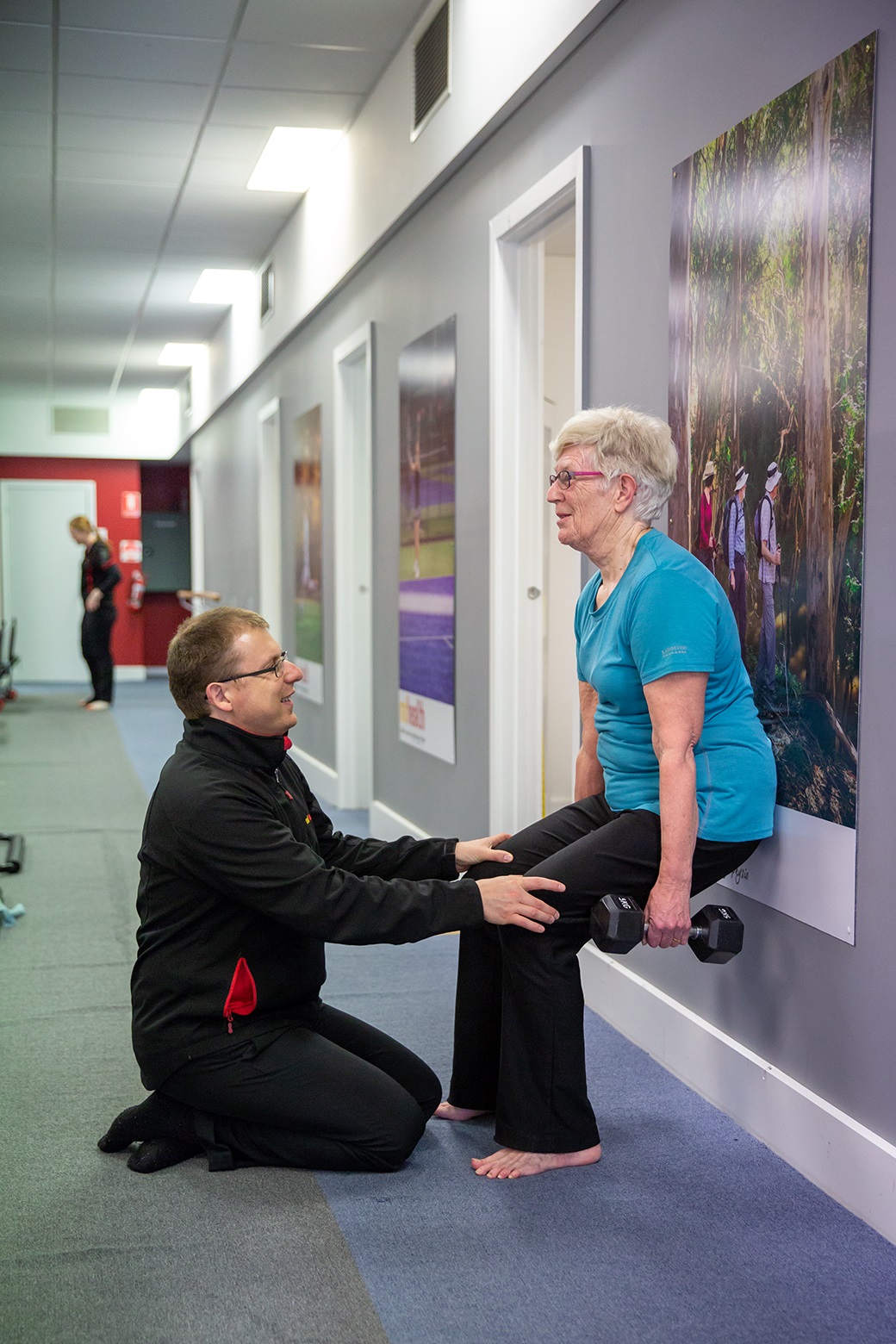
Everyone’s needs are different. It is very important to understand your individuals strengths, weaknesses, joint function and goals. From there, we can appropriately design a program to get to the best outcome.
Eg. If you have a simple lower back injury with minor weakness and your goals are to be able to walk around the block regular, the program is simple. We need to focus on reducing the lower back injury with the combination of some treatment and moderate strengthening exercises to achieve this goal.
However, if your goal is to return to run a half-marathon in 3 months and break your personal best, then the needs are very different. Getting your injury under control is not enough. We will need to do this AND improve your major stabiliing muscle groups AND really improve your muscle strength and power to improve your performance.
This will need to be staged and appropriate loading applied. The aim is to minimise the risk of further reinjury, whilst making you marathon ready. This is a fine balance and individualisation of your program is extremely important.
Treatment – As part of your program
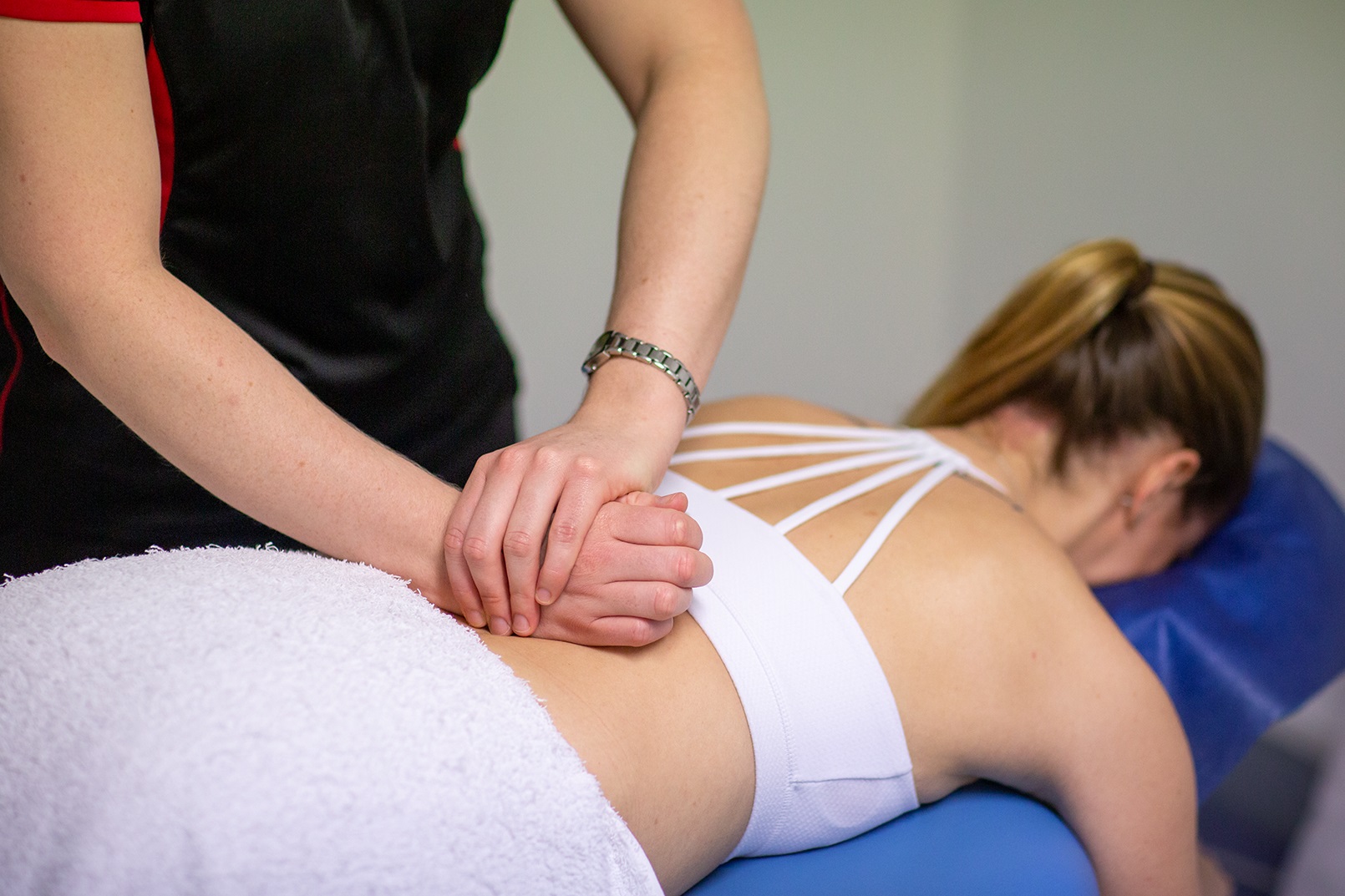
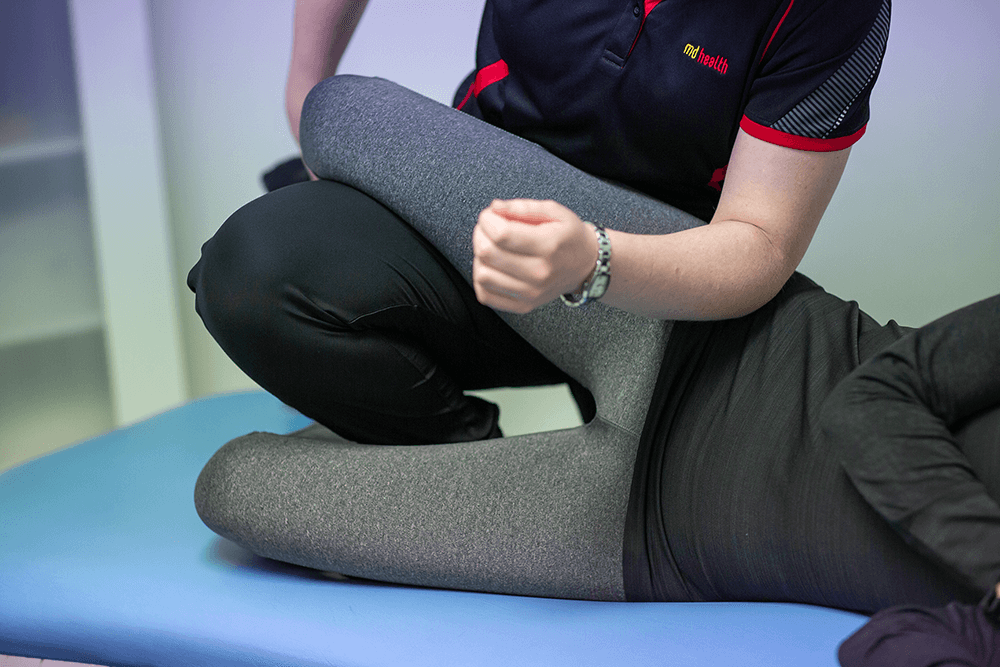
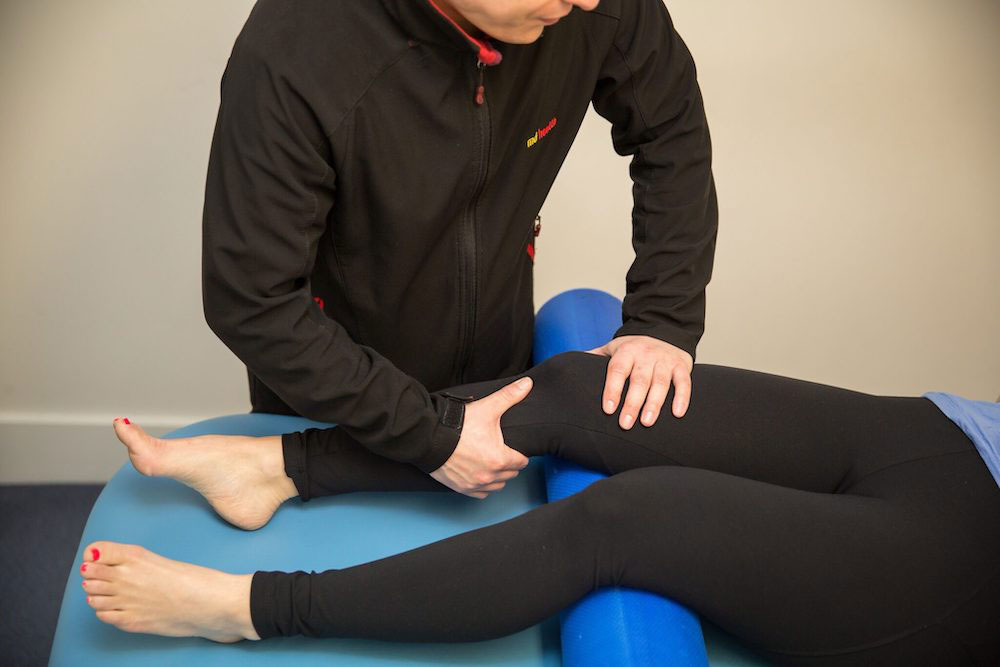
It’s usually not EITHER treatment OR exercise, but BOTH. Hands on treatment techniques, such as mobilisation, manipulation and massage help in conjunction with exercise to improve the function of an area.
The role of hands-on treatment is to restore the normal movement of these joints (breakdown or guide the appropriate movement of the scar tissue). Combined with strengthening work from Clinical Exercise and Pilates, hands-on treatment is a powerful addition to restoring normal movement and function.
in a normal program, we would combine your exercises with some hands-on in the room as needed. There is no need to book a further appointment for this, it is part of your regular sessions
Supervised
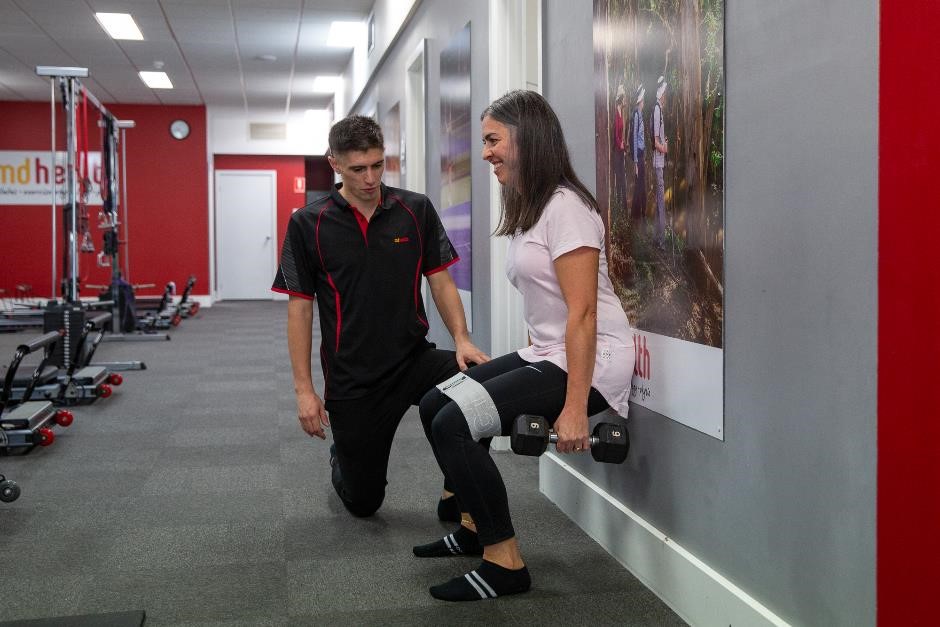
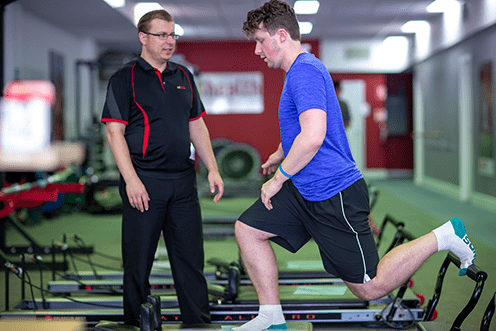
It is very hard to achieve these goals without appropriate supervision. Subtle and important ways you move and do exercises is the difference between just doing an exercise and achieving an outcome from the program.
All the staff are qualified allied health professionals (physiotherapists, exercise physiologists or osteopaths). We have extensive and on-going training in human movement, injury recovery and performance training. Therefore we can change, correct a movement or subtly change an exercise so that you get exactly what you want from the action.
It is our job to make sure you are positioned properly, the weight is correct to achieve the best result and progressed as appropriate.
Progression of exercises/treatment
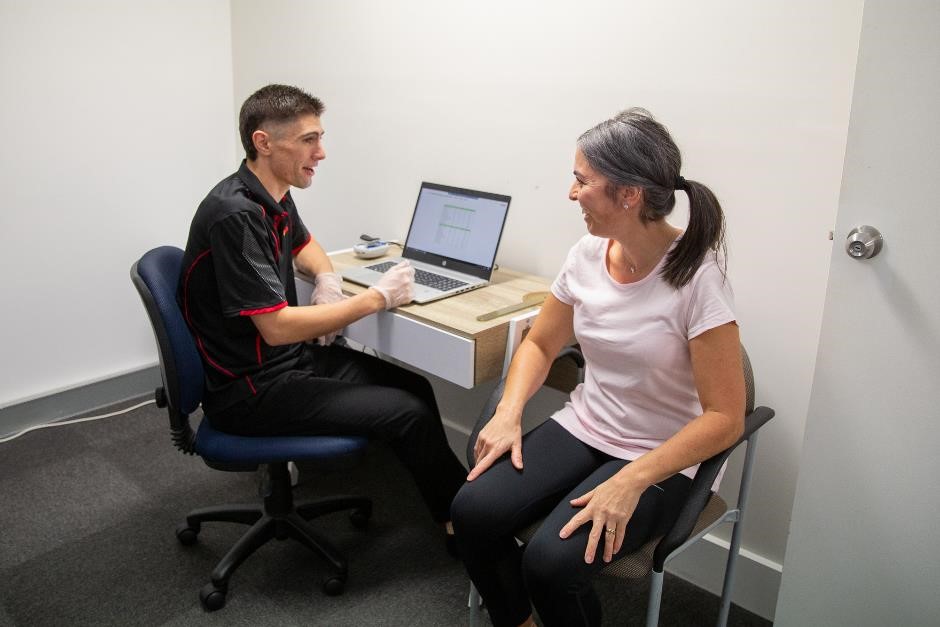
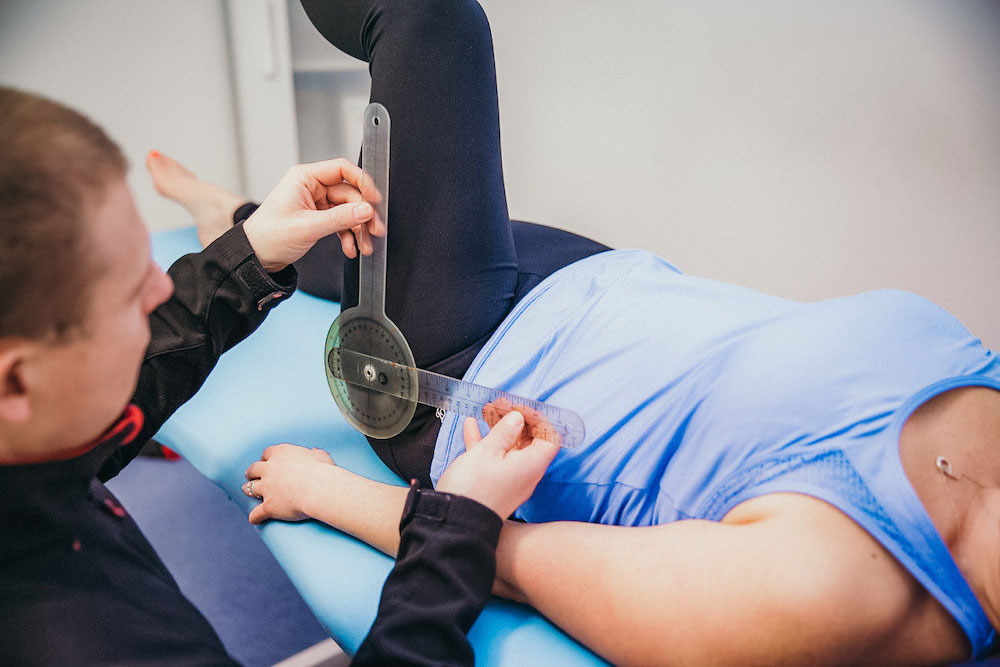
We re-assess all our clients on a regular basis on purpose. We expect you to change and improve (and sometimes unfortunately go backwards). So it is extremely important to test you at different stages of your program, adjust, progress or change your program as needed.
This occurs are very specific times:
- 7 weeks
- 13 weeks
- 20 weeks
- 26 weeks
- 40 weeks
- 12 months
- Then every 6 months afterwards
These are not random times, but when we expect change. The first assessment, at 7 weeks is when we expect the initial changes in muscle strength to occur (due to more efficient changes in the nerves to the muscles).
The second assessment, 13 weeks, is when muscle begins to grow at it’s fastest rate and provides a good long term outcomes.
Improvements continue to occur beyond this point, but at a slower rate. The best results we have found are after 12 months, however, rate of change is slower so we do not have to assess as often.
MD Health’s 13 week program
Getting started with MD Health is easy.
Just follow these steps and be on your way to feel the benefits!
1. Book an Assessment
Our Physiotherapists and Accredited Exercise Physiologists will talk to you about your short-term and long-term goals and write you a specialised treatment plan.
2. We'll write you up a treatment plan
Following your assessment our Physiotherapist or Accredited Exercise Physiologist will write you up a detailed and personalised treatment plan.
3. Clinical Exercise & Pilates twice a week
After your asessment we recommend coming in to complete Clinical Exercise & Pilates twice a week to get the most of our your program and see the best results.
4. Complete the 13 week program
Once you’ve completed your 13 Week Program at MD Health we;’ll conduct a 30 minute re-assessment to check in and see how you’re progressing towards achieving your goals. You’ll then automatically join our MD Health Club and receive the benefits of discounted Gold Membership Pricing and free sessions!
Take the first step to a healthier you!
Would you prefer for someone to contact you to book your FREE Full Body Assessment*?
Please fill in this form and someone from MD Health will be in touch with you soon.
Alternatively please call us on:
07 3505 1494 (Paddington – Brisbane (QLD) Clinic)
Or email us:
admin@mdhealth.com.au (VIC) paddington@mdhealth.com.au (QLD)
*Please note only the Full Body Assessment is a FREE service. The Full Body Assessment is for new clients at MD Health or returning clients who haven’t been in for 6 months or longer who intend to particpiate in our 13 Week Clinical Pilates Program**.
For all new clients who wish to come in for a one-off, casual or adhoc basis for Physiotherapy or Exercise Physiology the Initial Physiotherapy or Initial Exercise Physiology appointment is a paid service.
** The 13 Week Clinical Pilates Program at MD Health is not a lock in contract and you are not required to attend for the full 13 weeks if you do not wish.
This site is protected by reCAPTCHA and the Google Privacy Policy and Terms of Service apply.